
Exploring Indigenous Foods for Healing: PAN South Africa’s Gqeberha Roadshow Connects Heritage and Health.
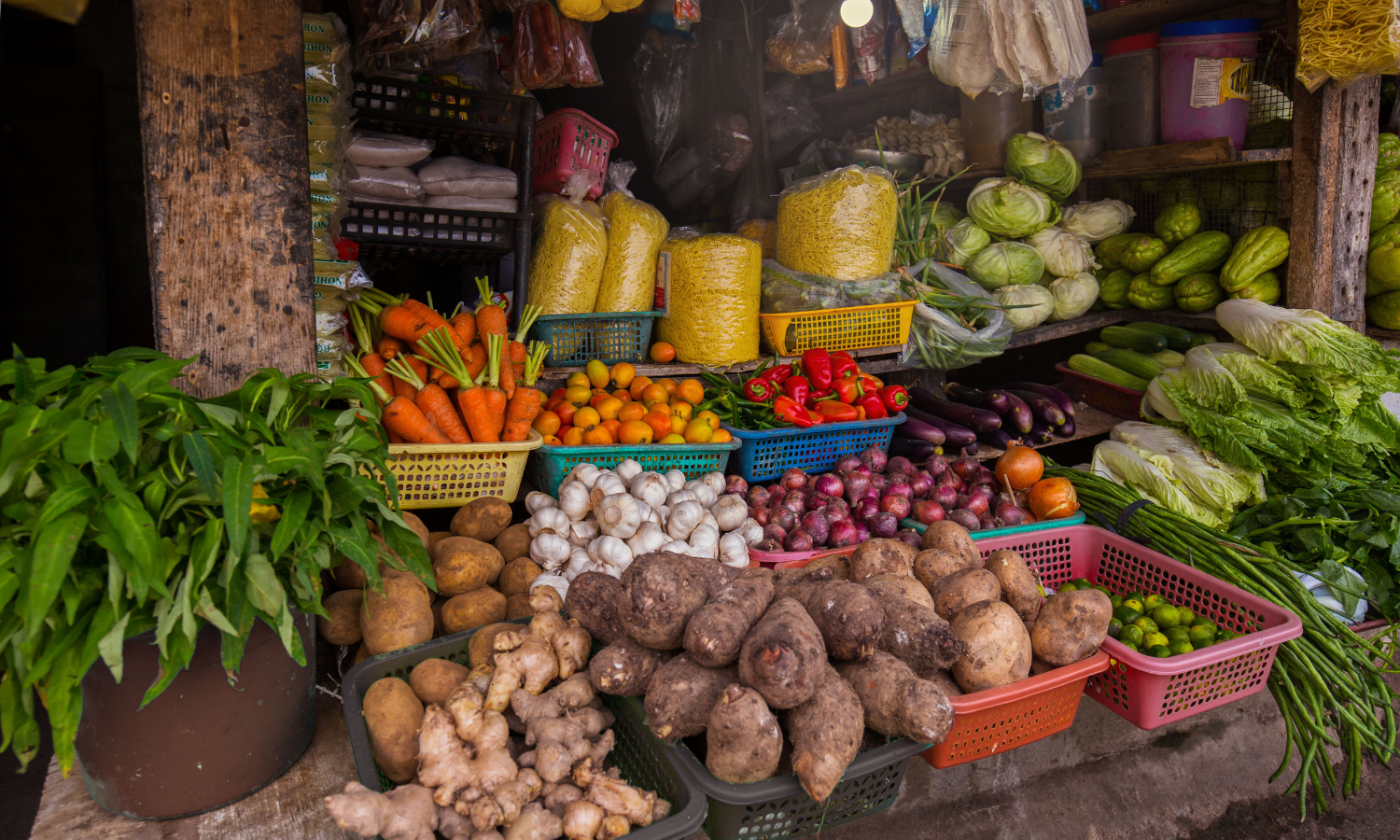
[Gqeberha, South Africa] Heritage Month is a time to honour the traditions, languages, and foods that shape South Africa’s identity. But while many communities celebrate through song, dance, and meals, there is a deeper story to tell: our indigenous foods hold untapped potential in tackling the rising tide of non-communicable diseases (NCDs) such as hypertension, diabetes, and obesity.
On Tuesday, 7 October 2025, the Physicians Association for Nutrition (PAN) South Africa will host its Healthy Lifestyles Roadshow in Gqeberha, offering healthcare professionals an opportunity to reconnect with food heritage as a powerful tool for modern health challenges. The event is CPD-accredited, making it both practical and professionally valuable.
Why this matters now:
Non-communicable diseases are among the leading causes of illness and death in South Africa, particularly in provinces like the Eastern Cape.
In the Eastern Cape, the prevalence of diabetes among adults is approximately 12.5%, yet only about 34.6% of those affected receive treatment (MSF South Africa, 2023). The province has also recorded rising deaths linked to diabetes and hypertension, adding pressure on an already fragile health system. Traditional crops such as amadumbe, cowpea, spider plant, and amaranth are nutrient-dense, affordable, and culturally familiar, yet under-recognised in current health systems and dietary guidelines.
Local biodiversity studies in the Eastern Cape have documented at least 21 edible fruit species, 10 leafy vegetable species, and 7 edible bulbs, roots or tubers that are both food and medicine (Journal of Ethnobiology & Ethnomedicine, 2017). Although these plants are widely known and accessible, research suggests they remain under-utilised in daily diets (Journal of Ethnobiology & Ethnomedicine, 2017).
Heritage Month provides the perfect backdrop to bring indigenous food knowledge back into conversations on healthcare, nutrition, and policy.
Event Highlights:
● Reclaiming Food Knowledge: Registered dietitian Dr. Vera Nketiah (NMU) will present research from isiXhosa-speaking communities, showing how shifts away from indigenous diets have weakened health outcomes, and how culturally relevant education can restore them.
● Policy and Clinical Perspectives: Registered Dietitian Zitandile Mfono (NMU) will share insights from her work in peri-urban Eastern Cape communities, highlighting how indigenous crops can be used to prevent and manage hypertension, and why policy support is critical to protect traditional knowledge.
● Lifestyle Medicine in Action: Physiotherapist Amanda Oakes-Cornellissen (SALMA) will connect these insights with the six pillars of lifestyle medicine, equipping practitioners to integrate culturally rooted nutrition advice into patient care.
By attending, healthcare professionals will not only gain 6 CPD points but also learn how to offer advice that resonates with patients’ cultural heritage, making healthy lifestyle changes more realistic, sustainable, and impactful.
Event Details:
● Date: Tuesday, 7 October 2025
● Time: 08:30 – 14:00
● Venue: Vovo Telo, Walmer, Gqeberha
ENDS
About PAN South Africa
Physicians Association for Nutrition (PAN) South Africa, established in 2020, is the national chapter of a global medical non-profit organisation in over 10 countries. We work with health professionals, students and policymakers on the role of plant-forward dietary patterns for chronic disease, climate change and pandemic risk.
PAN South Africa Media Contact
Shaiyah Nosipho Luthuli – Communications Manager
Email: shaiyah.nosipho@pan-sa.org; +27 72 579 5222
